The future is MOD[us]
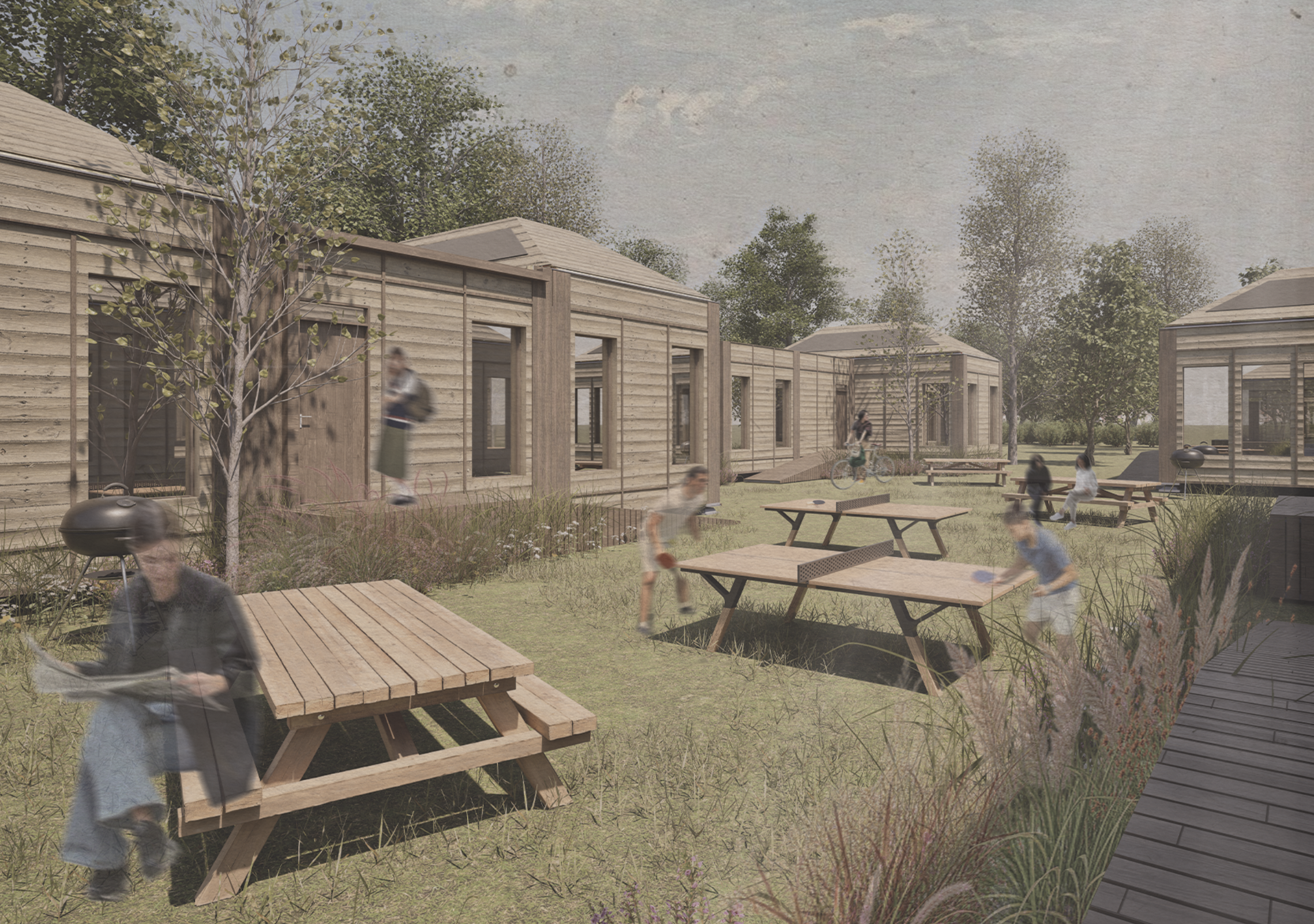
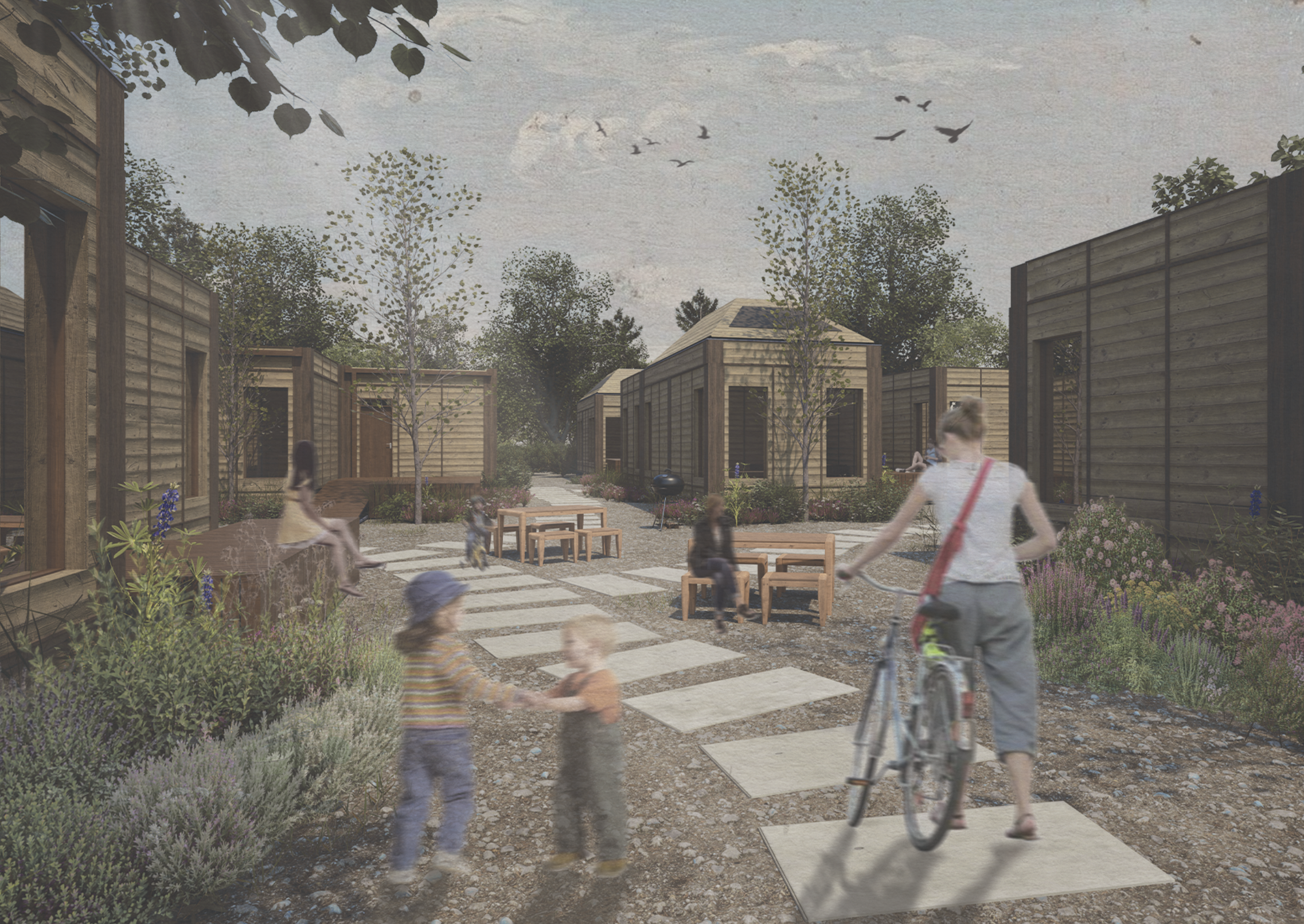
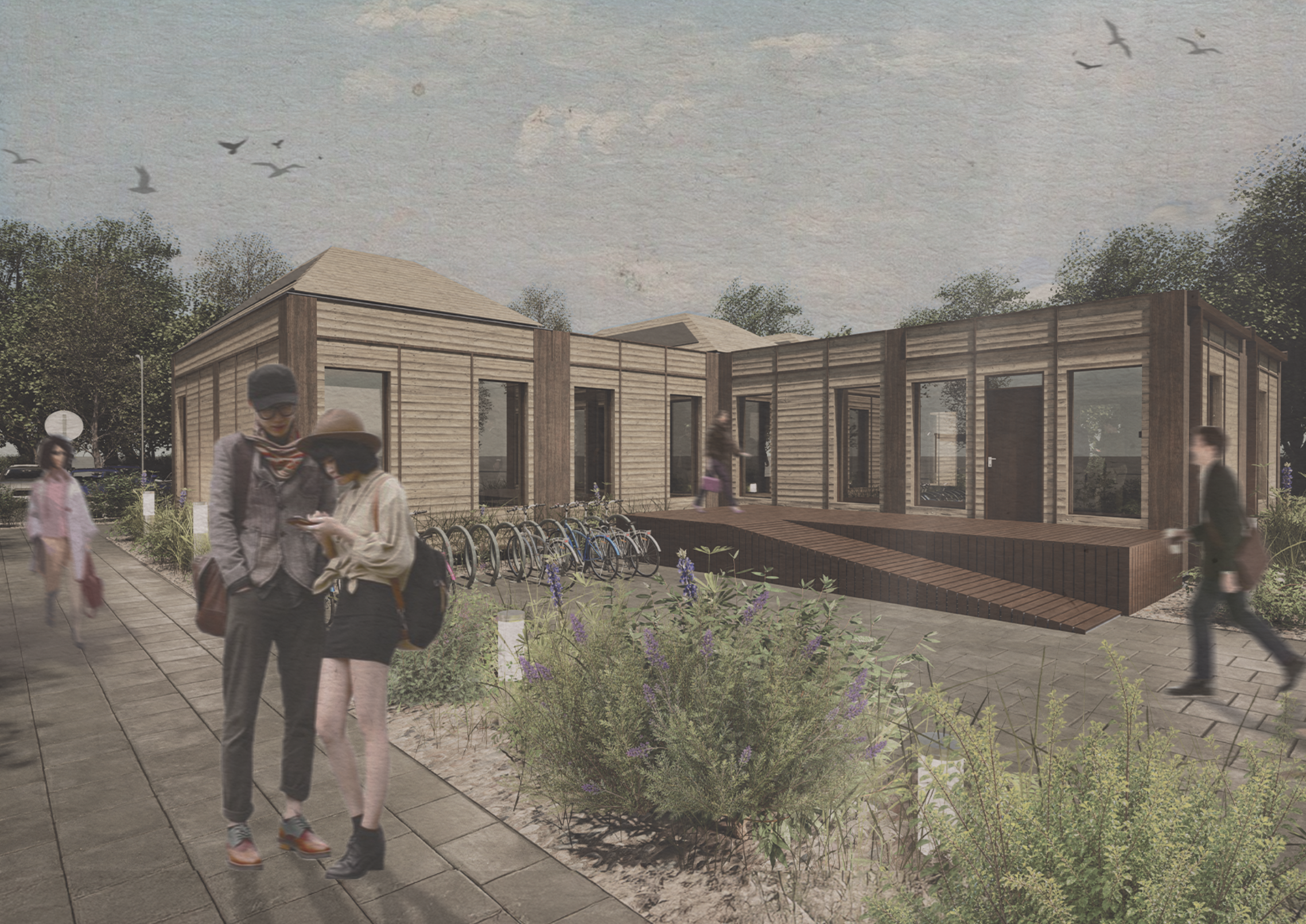
Since November 2025, Team VIRTU/e has been developing MOD[us], exploring how architecture can respond to an unpredictable future. Rather than designing buildings around a single fixed purpose, MOD[us] proposes a modular system that can evolve as needs change.
Through a shared architectural and technical framework, spaces can be reconfigured, expanded, relocated and repurposed, extending their relevance far beyond their original use. At its core, MOD[us] explores a different approach to sustainability: designing not only for what society needs today, but for what it might need tomorrow.
-
A home that grows with demand.
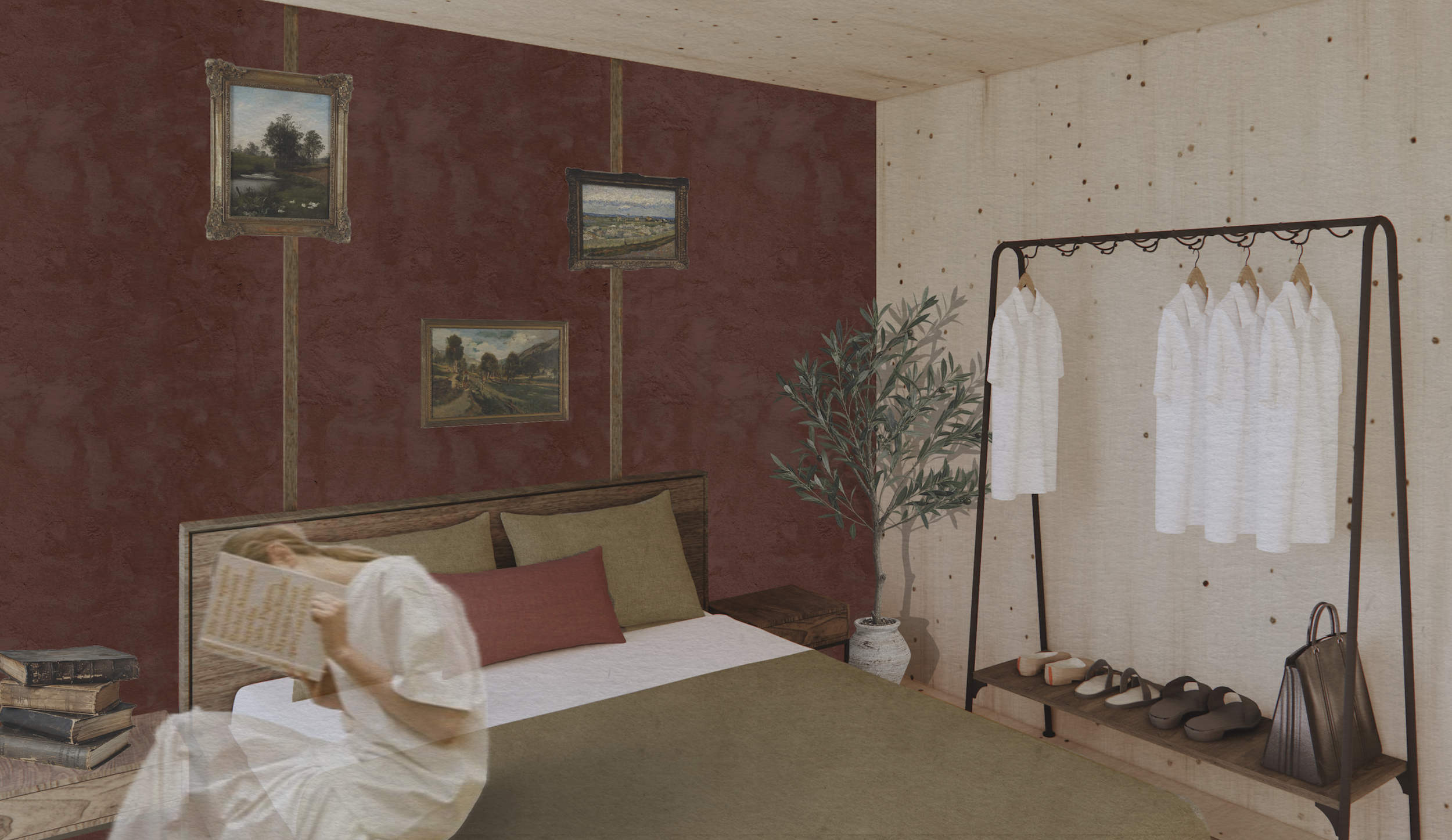
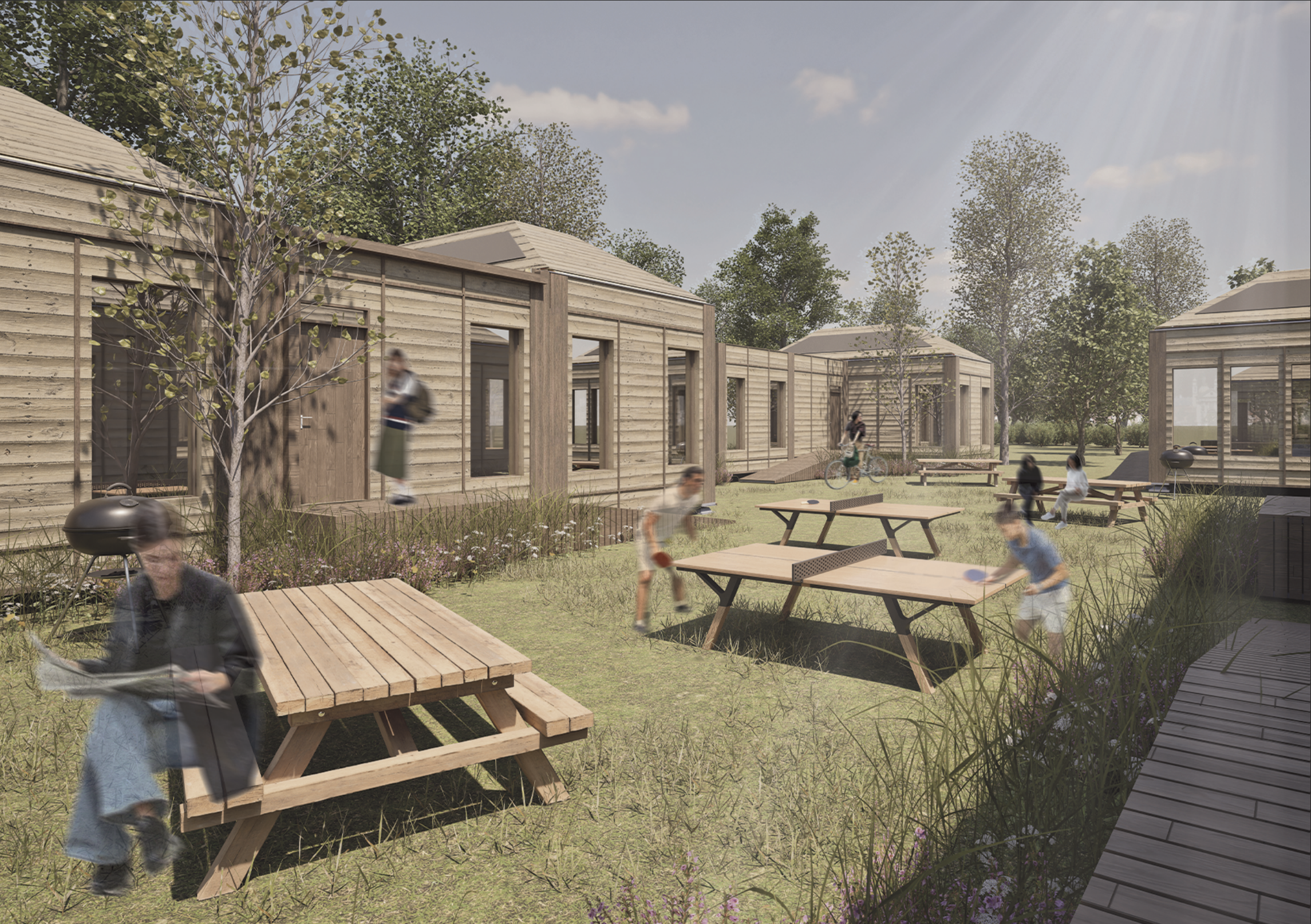
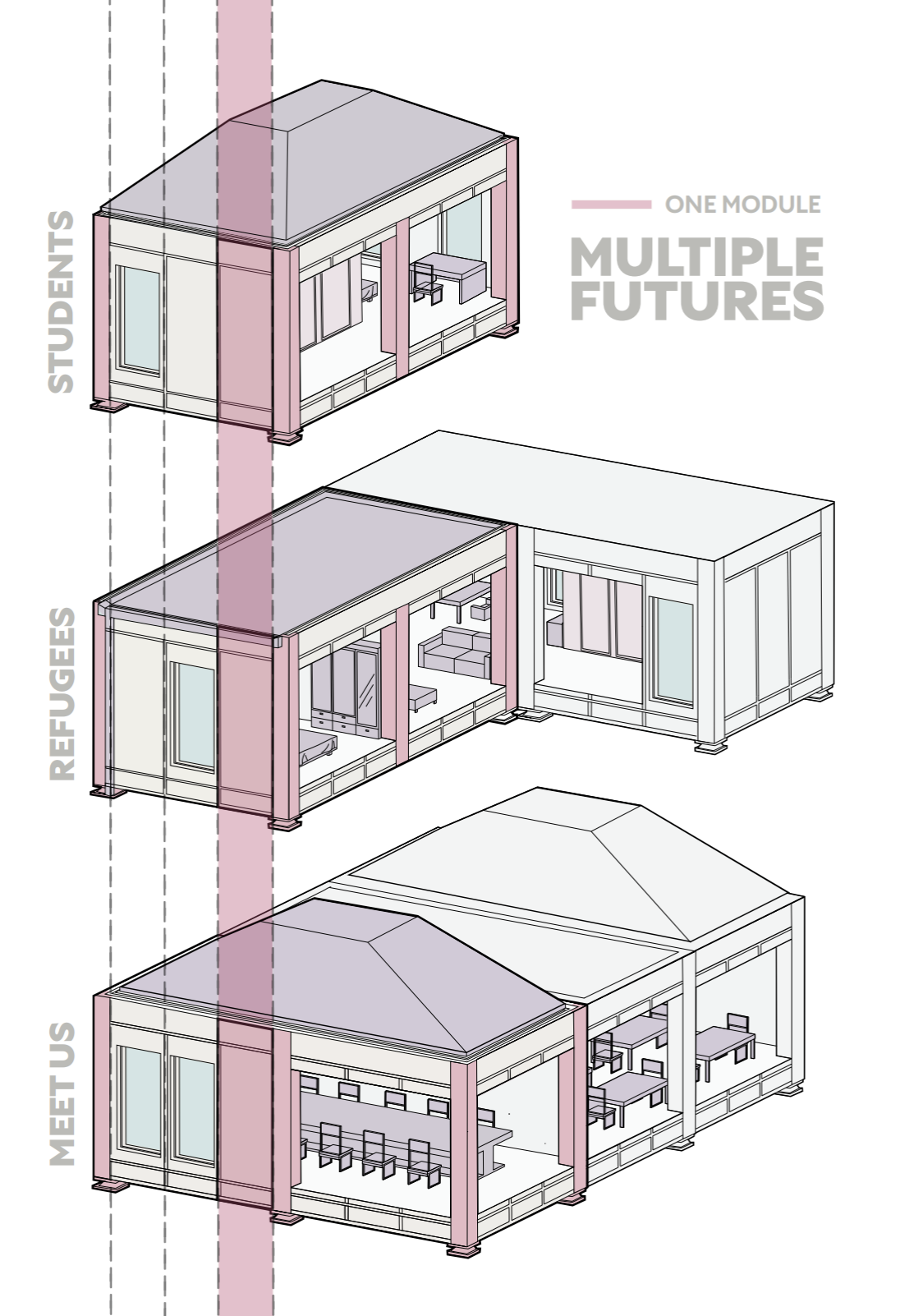
Designed for student life, this identity combines compact private spaces with shared areas that encourage community and connection. As housing needs evolve, the configuration can expand, contract or transform without losing its underlying structure. -
From temporary need to lasting value.
Created to respond when housing is needed quickly, this identity offers dignified and adaptable living spaces without becoming a disposable temporary solution. When circumstances change, the spaces can be reconfigured, relocated or repurposed for a new use. -
Where community becomes the engine.
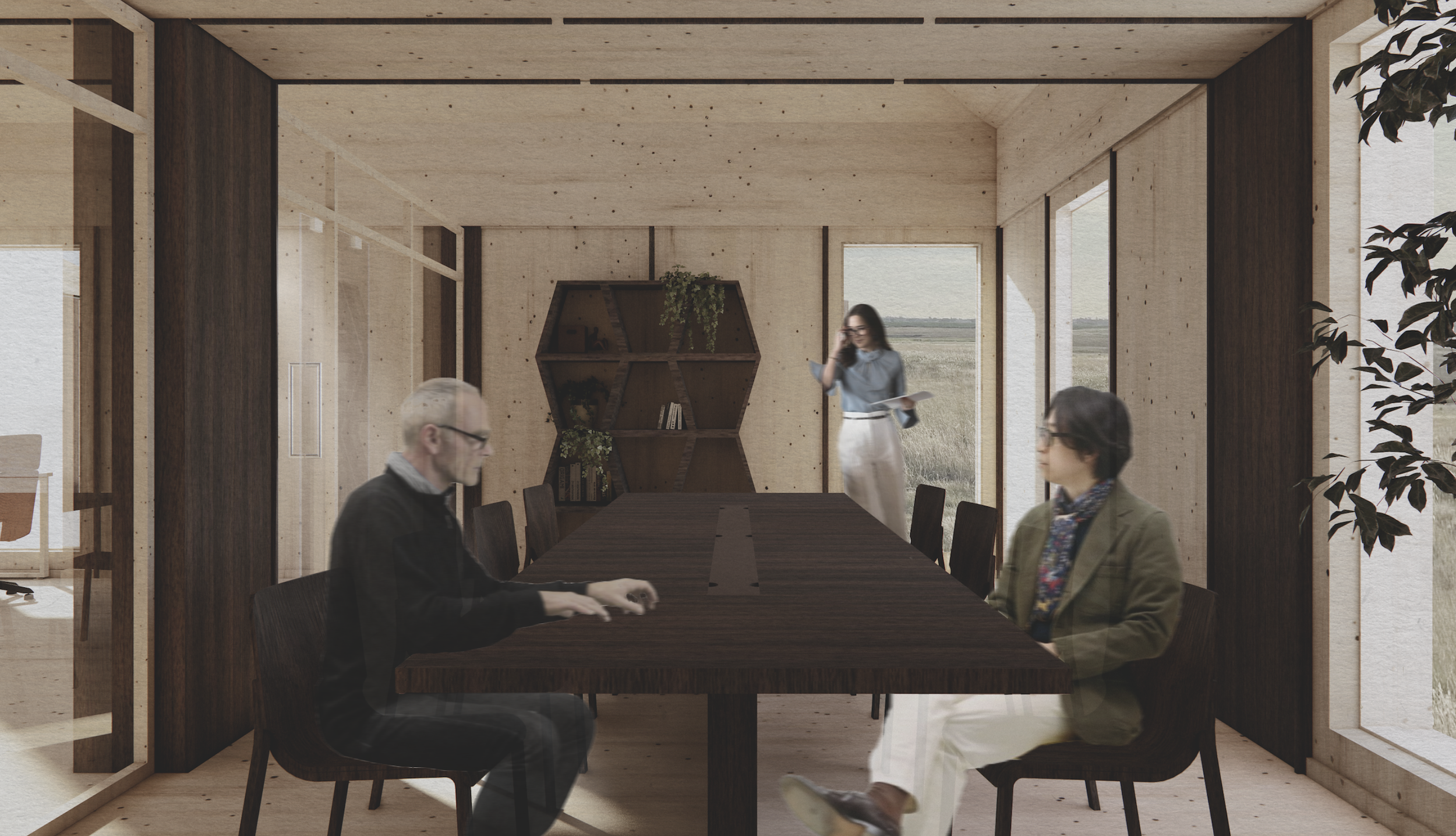
A flexible environment for working, meeting, collaborating and gathering. Beyond bringing people together, Meet[us] generates revenue that can be reinvested into new modules—allowing the wider system to grow and create more housing over time.
Architecture that adapts, transforms and grows with society.
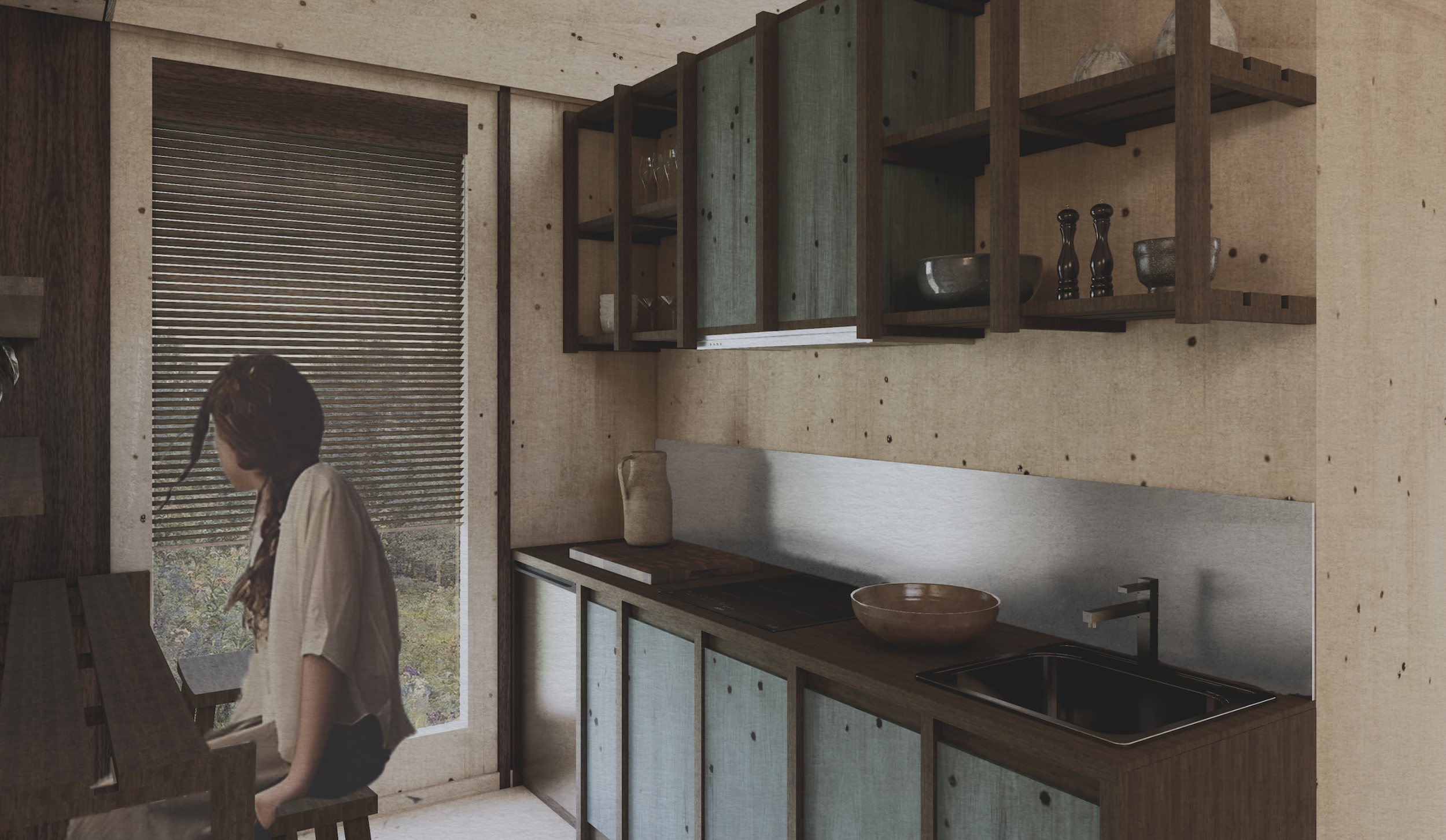
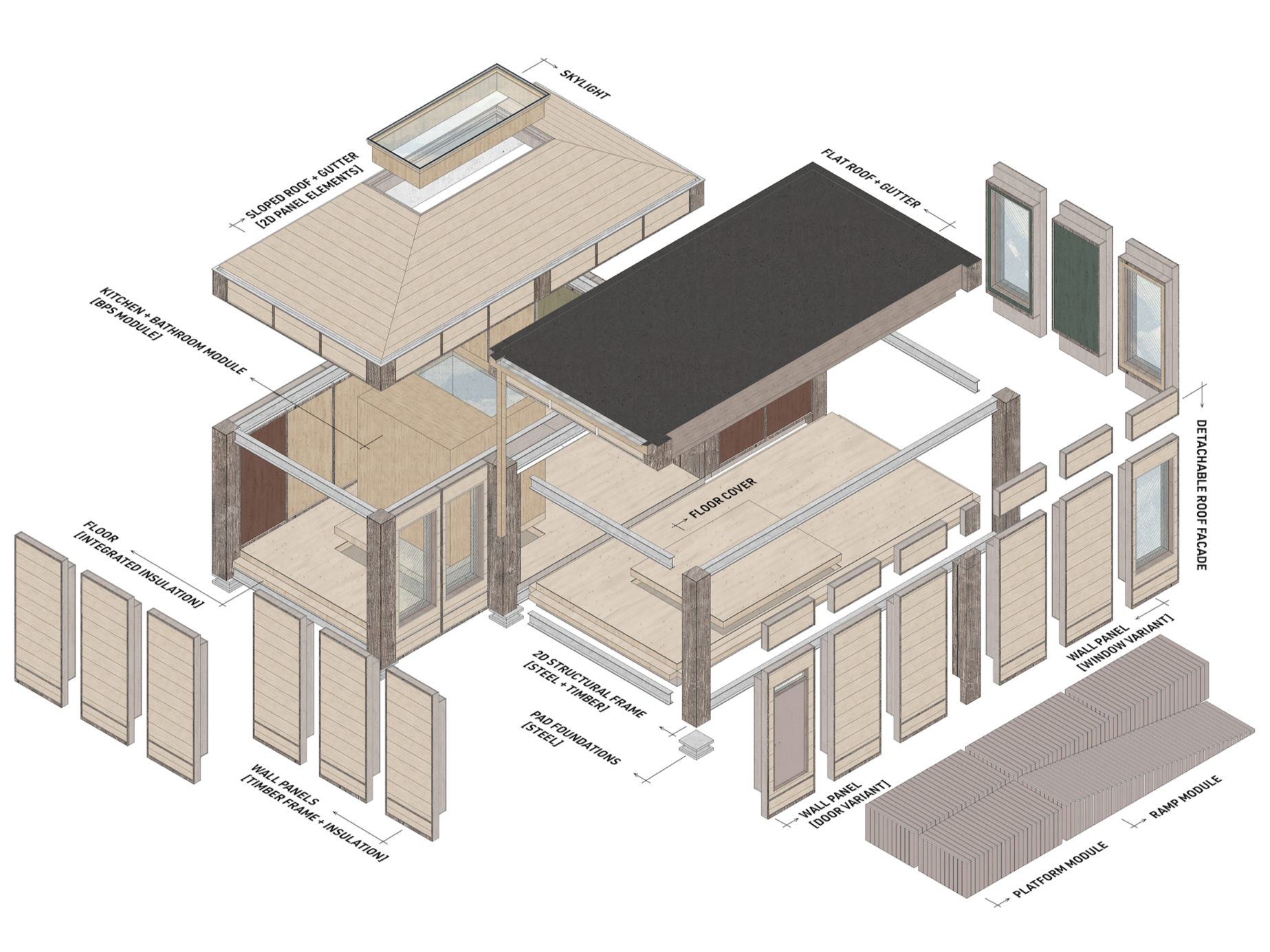
Behind the three identities lies one shared building system. MOD[us] is based on a 7.2 × 3.6 m structural grid, combining a reusable steel frame with prefabricated CLT floor and roof elements. Interchangeable façade components and a prefabricated BPS box containing essential building services allow modules to be connected, disconnected and reconfigured with minimal intervention.
By separating the long-lasting structure from elements that can change over time, the function can evolve while the architectural DNA remains.
One DNA, three identities
Built to remain relevant.
〰️
Built to remain relevant. 〰️

Team CASA
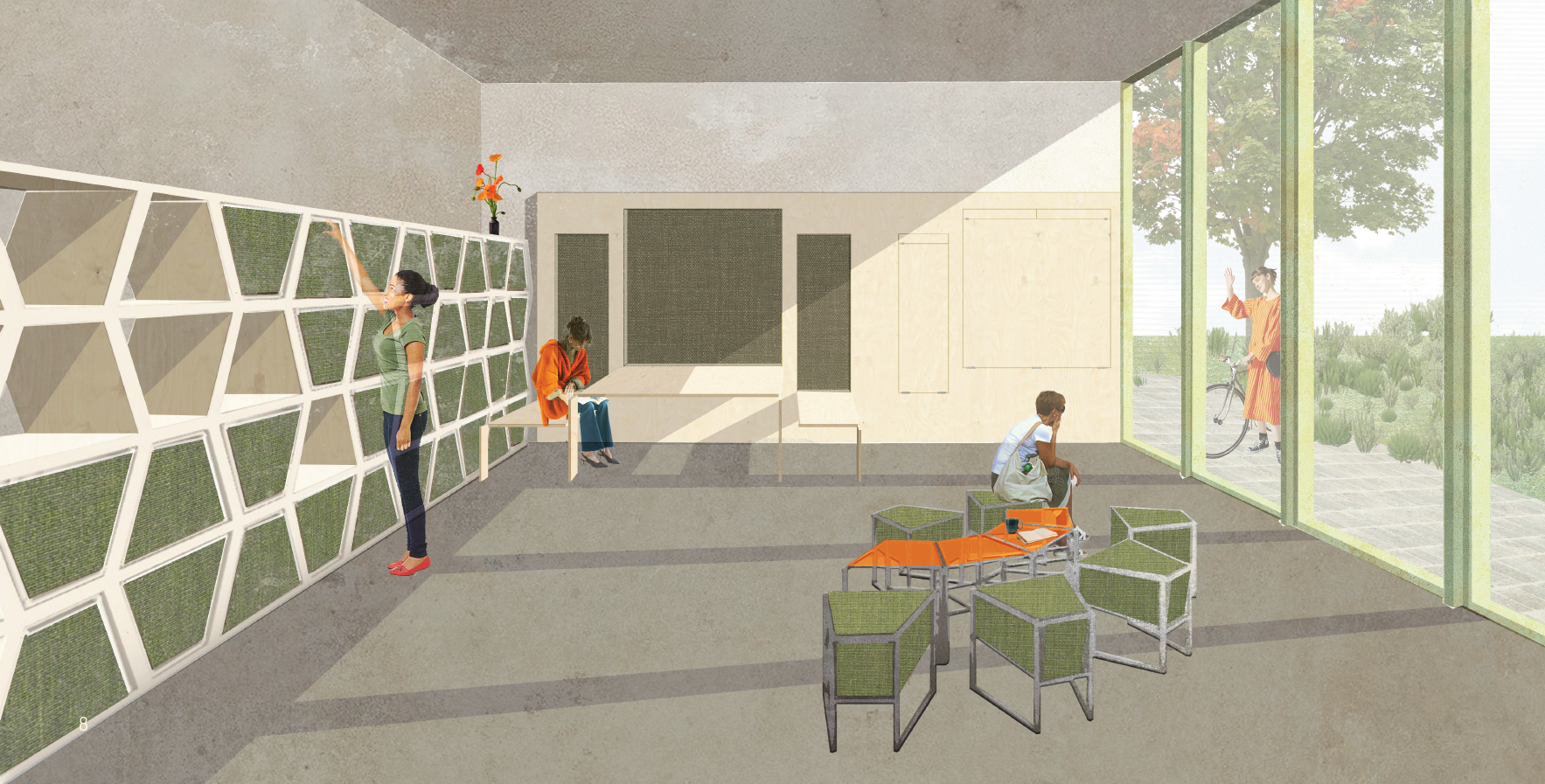
Developed by student team Team CASA for Dutch Design Week 2026, MOD[us] features an integrated collection of modular furniture - designed to be easy to build, use and repair, and adaptable to different uses in the shared common room. The furniture collection uses locally sourced materials, that were carefully chosen to achieve user comfort, affordability and sustainability.
The collection consists of two complementary systems: Foldable Furniture and Hexagon Furniture, both designed for a shared common room where different activities and social interactions can take place.
Foldable Furniture
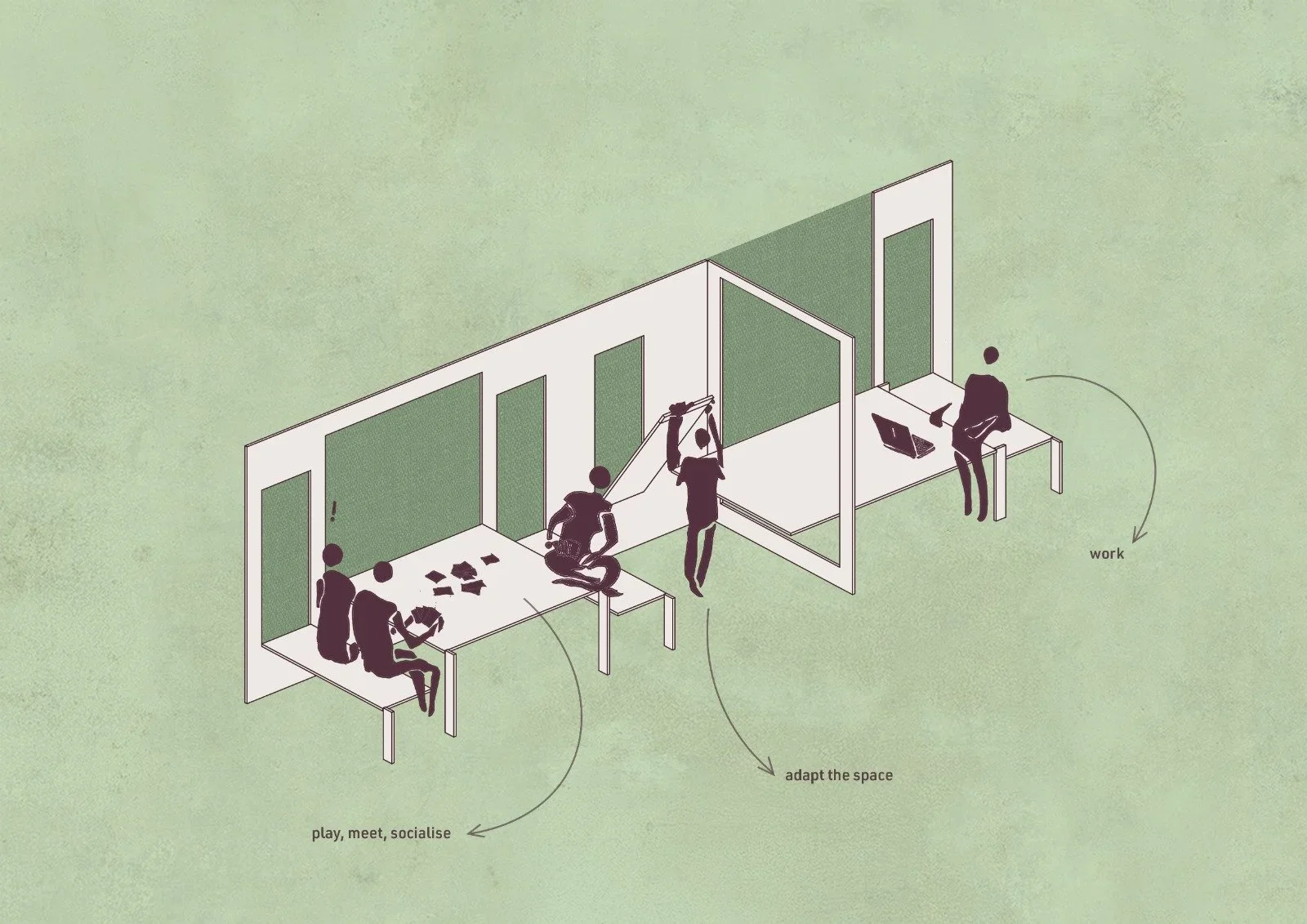
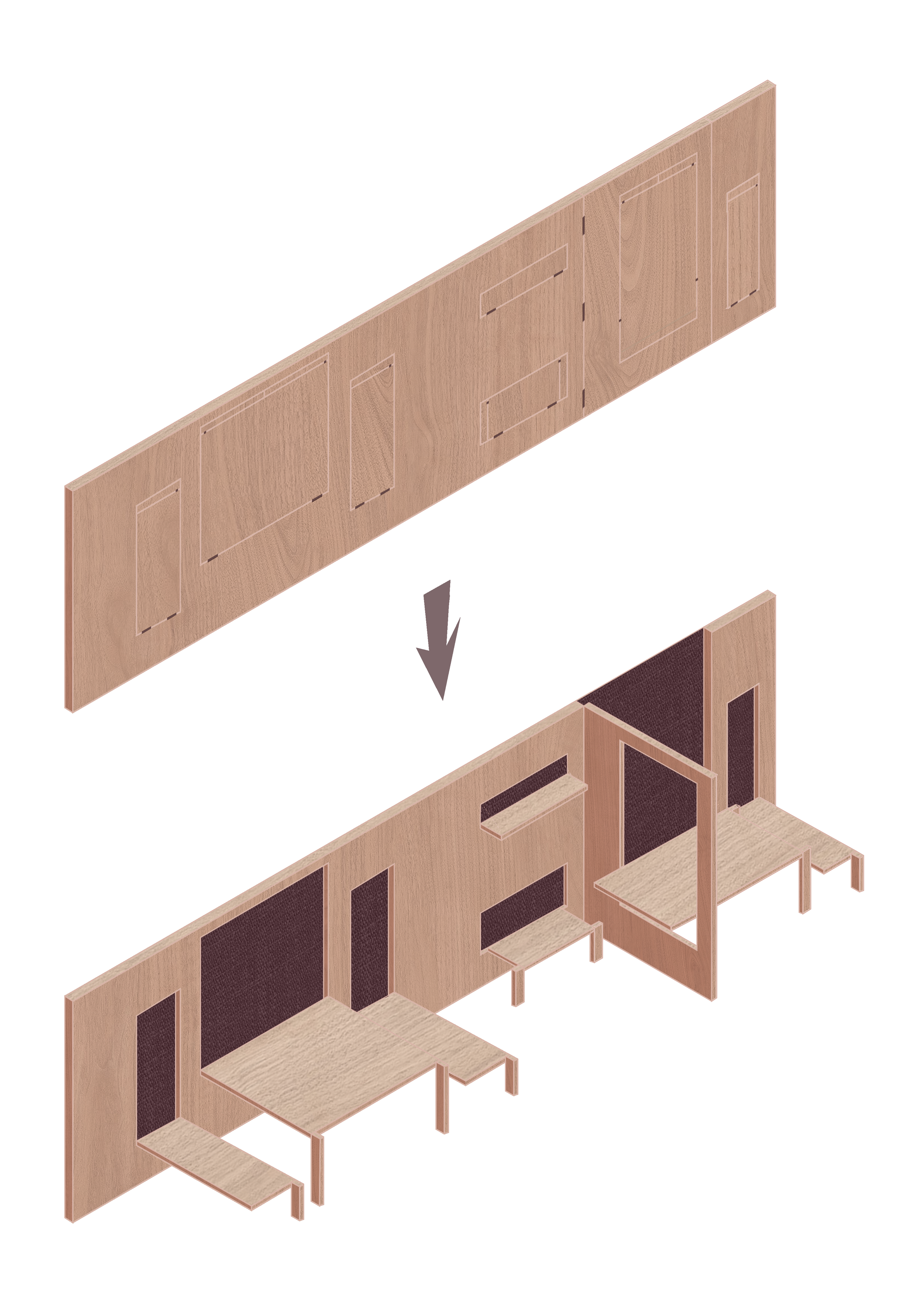
The Foldable Furniture integrates tables, seating, and shelving directly into the walls, allowing elements to fold out when needed and disappear into the wall's surface when not in use.
A multifunctional unit further explores adaptability by transforming between a workspace and a sofa, enabling the same area to accommodate studying, working, and relaxation.
These solutions maximize the functionality of the available space while allowing users to shape their surroundings according to their needs.
Hexagon Furniture
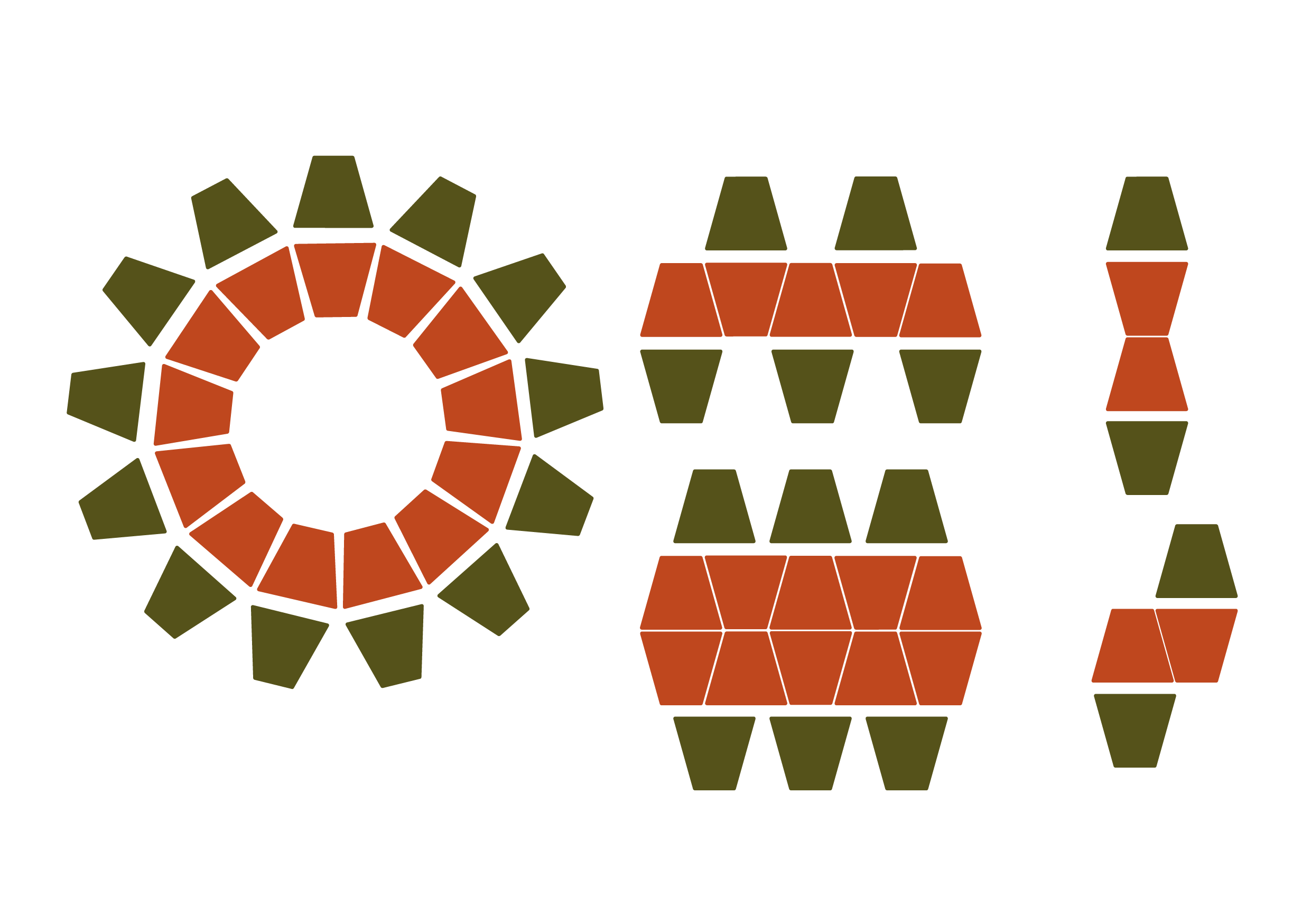
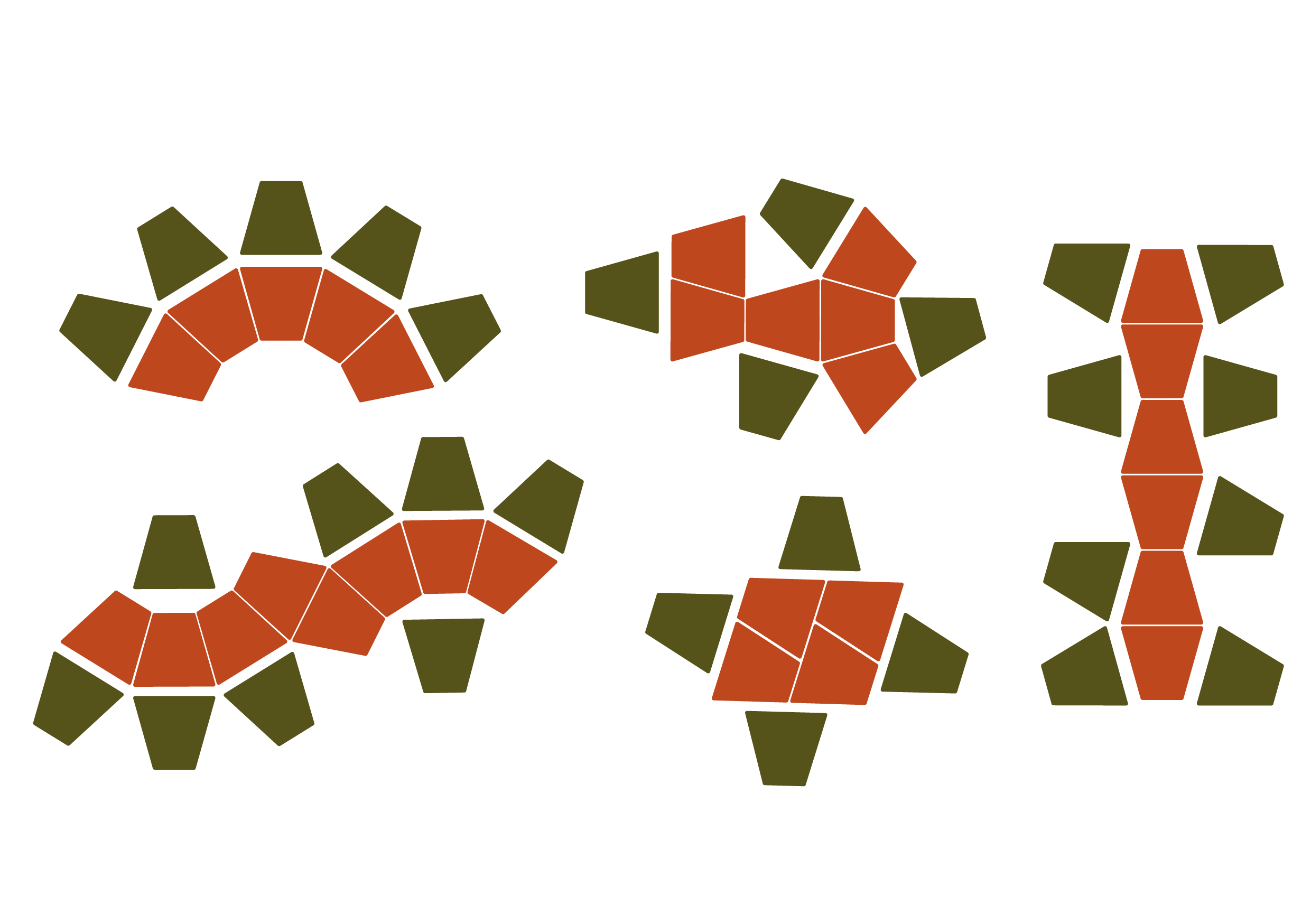
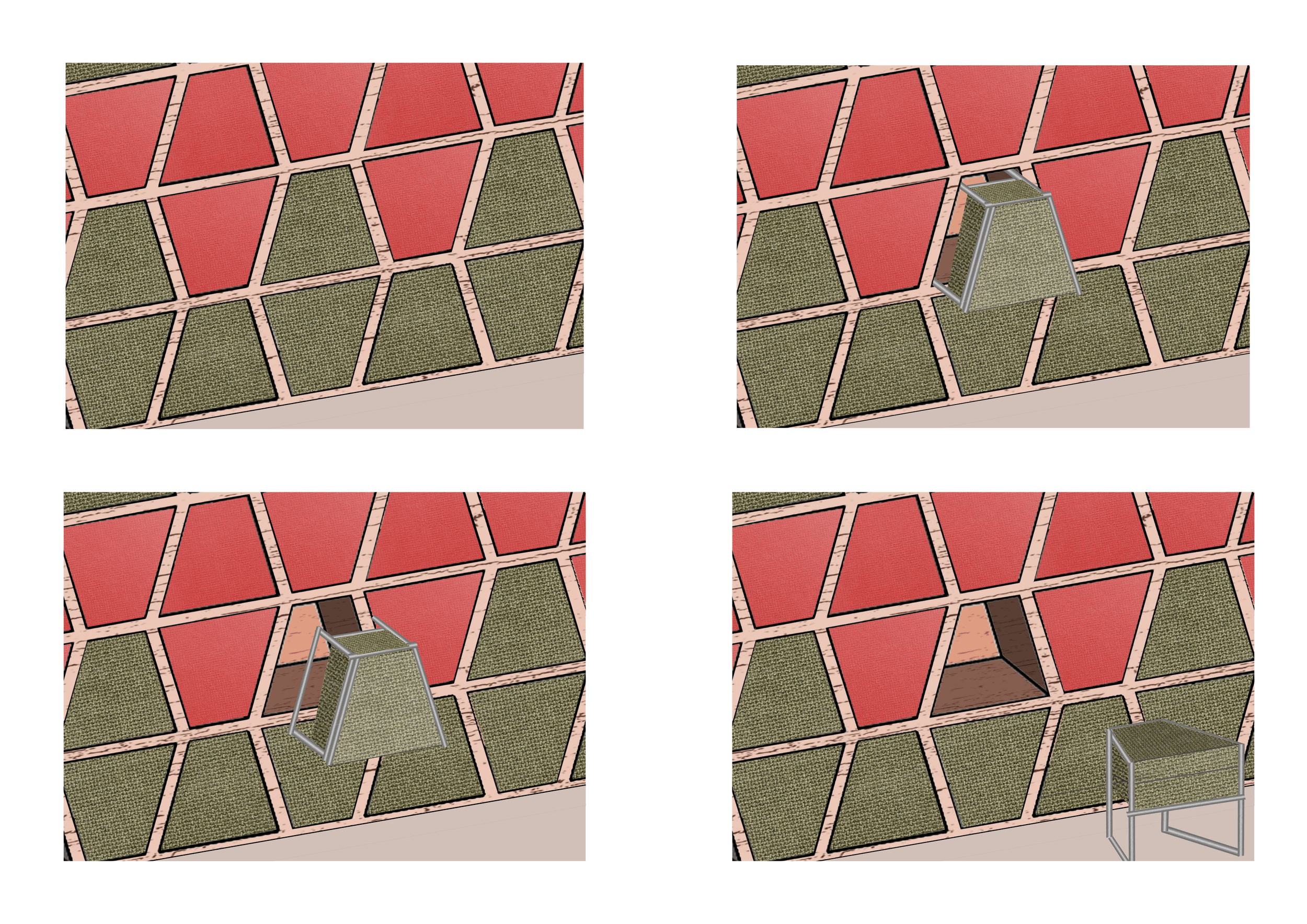
The Hexagon Furniture introduces a modular system of semi-hexagonal chairs and tables that can be combined into different spatial arrangements.
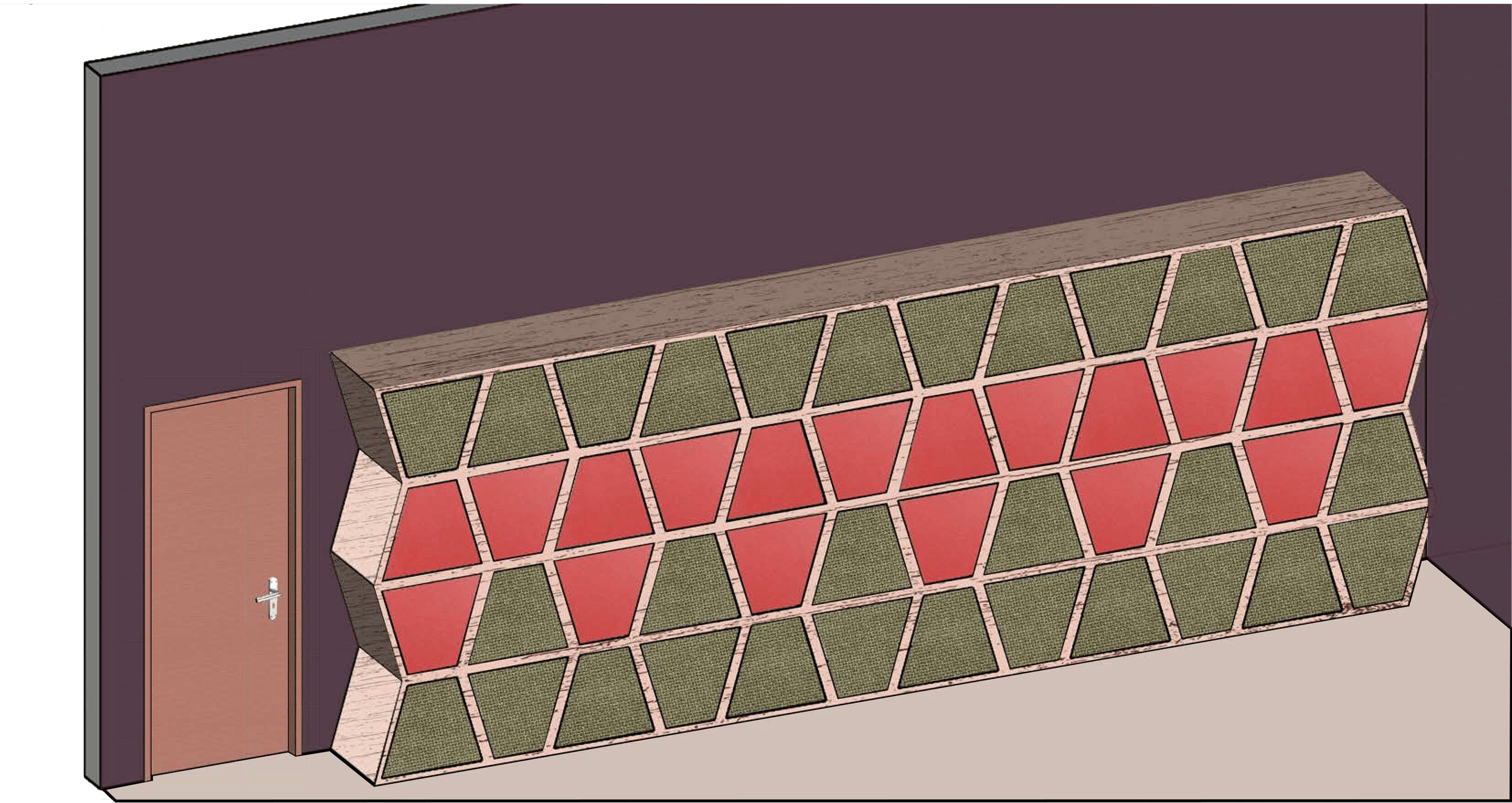
Individual elements can function independently or connect to create larger seating areas, collaborative workspaces, and gathering spaces. A dedicated hexagonal shelving system provides compact storage for the furniture when not in use.
Through its flexible configurations, the collection encourages interaction and adaptability, demonstrating how furniture can support multiple functions without requiring permanent changes to the architectural space.
MOD[us] gallery: